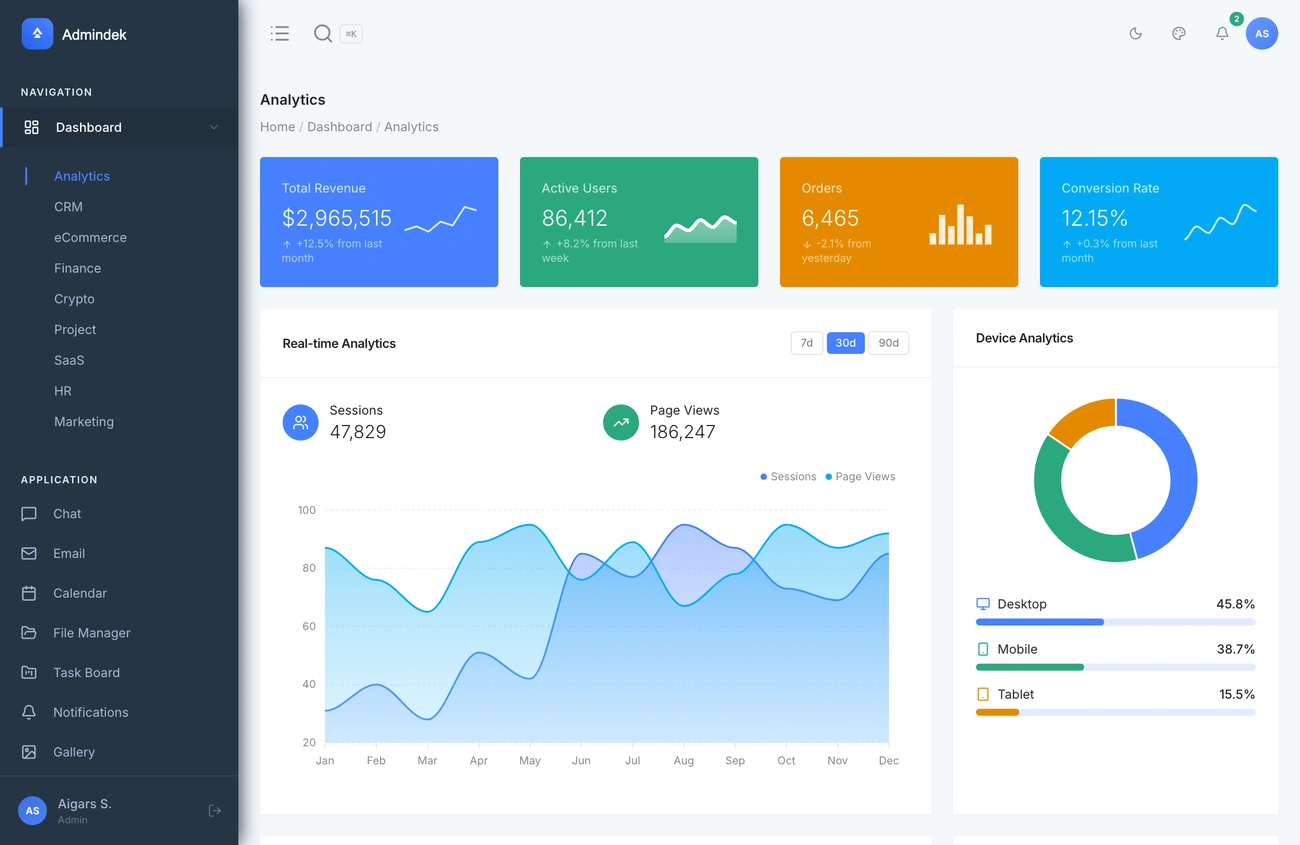
A successful ecommerce business rests on four interconnected pillars that work together and create sustainable revenue growth. Each pillar addresses a specific stage in your customer’s trip and just needs distinct ecommerce sales strategies to maximize results.
The Essential Ecommerce Growth Strategy Guide for Scaling Your Online Store
Published by grace • August 31, 2026
Global ecommerce sales reached $4.28 trillion in 2020 and are projected to grow 8% each year through 2029. Standing out in this expanding market requires more than setting up a storefront. A solid ecommerce growth strategy makes the difference between struggling to break even and building a flexible, profitable business. The challenge becomes critical when you think about this: 32% of shoppers will abandon a brand they love after one bad experience. We’ll walk you through proven ecommerce sales strategies to grow your ecommerce business in this piece. You’ll find everything from customer discovery and conversion tactics to automation and continuous improvement methods that deliver measurable results.

Discovery: How customers find your store
Your potential customers use multiple pathways to find products online. Search engines remain the top discovery channel at 34%. Recommendations from friends and family follow closely at 46%. Physical stores still matter. About 60% of shoppers use them to research products. Marketplaces like Amazon attract 57% of shoppers, and social media platforms reach 52% of consumers during their discovery phase.
These patterns change across generations. Gen Z discovers brands through social media ads at 33%. Baby Boomers rely on TV ads at 45%. Where your target audience naturally shops and browses determines where you should invest your marketing budget to grow ecommerce business.
Communication: Converting visitors into buyers
Visitors land on your site, but 97% won’t purchase on their first visit. You need to meet specific expectations to convert these browsers into buyers. Shoppers want customized deals and offers, with 42% demanding this. About 71% of consumers now expect companies to deliver customized interactions.
Your checkout process directly affects conversion rates. Complicated or lengthy checkout flows cause 17% of shoppers to abandon their carts. About 18% of shoppers won’t complete purchases if they don’t trust your site with their credit card information. Security badges, simplified forms, and guest checkout options address these friction points.
Delivery: Meeting and exceeding expectations
Shipping speed has become a baseline expectation rather than a competitive advantage. Research shows that 57% of consumers expect orders to arrive within two days. About 90% of businesses report customers now ask for faster delivery. About 55% of shoppers are willing to pay extra for premium options like same-day or scheduled delivery.
Live tracking has changed from optional to essential. Customers expect updates at every stage. Proactive communication about delays can transform potential complaints into positive experiences.
Retention: Turning customers into repeat buyers
New customer acquisition costs five times more than retaining existing ones. Repeat customers deliver substantial value and generate up to 65% of a company’s purchases. The most effective ecommerce strategy prioritizes retention through omnichannel engagement, AI-driven personalization, and live feedback collection. Machine learning models can segment customers by reorder likelihood and discount sensitivity. This enables targeted campaigns that feel personal rather than generic.
Revenue growth in ecommerce just needs tactical execution in multiple channels. These five strategies are the foundations of how you can increase sales in ecommerce.

SEO and content marketing for long-term traffic
Search visibility drives sustainable growth. However, 96.55% of websites receive zero organic traffic from Google. Keyword research using tools that identify buying-intent terms where Google ranks product and collection pages is where you start to close this gap. Structured data markup for product pricing, availability and reviews is what you’ll need, plus an optimized URL structure that Google can parse without difficulty.
Blog content builds topical authority. Granular articles that address specific customer questions should link internally to relevant product collections. This content approach generates backlinks and establishes your store as an expert resource while driving direct traffic.
Mobile-first design for higher conversion rates
Mobile devices now account for 72.9% of ecommerce sales. Still, mobile conversion rates lag desktop at 2.2% versus 3.9%. Mobile-optimized sites enjoy 62% higher conversion rates compared to non-optimized ones. Thumb-zone navigation, touch-friendly buttons above 48×48 pixels and simplified checkout with guest options and digital wallets should be your priority. Your mobile experience directly affects search rankings because Google’s mobile-first indexing makes it so.
Referral and loyalty programs that actually work
Referral marketing utilizes trust. 86% of consumers rely on recommendations when making purchase decisions. Effective programs offer mutual benefits and produce referral rates between 2% and 3%. Loyalty programs increase AOV by an average of 13.71%, with top performers seeing up to 75% lifts. Non-transactional actions like reviews and social shares should be rewarded to maintain engagement between purchases.
Up-sells and cross-sells that increase AOV
Amazon generates 35% of revenue through product recommendations. Cross-selling and upselling can boost revenue by 10% to 30%. Complementary products should appear on product pages and in cart, while premium versions get positioned during checkout. Cross-sell items should cost at least 60% less than the primary product to reduce purchase resistance.
Live chat and messaging for instant support
Immediate support removes purchase friction. Brands using live chat see AOV increase by 10%, with engaged customers spending 60% more per purchase. Chat interactions now occur nearly twice as often as email, which signals strong customer preference for immediate assistance during high-intent moments like checkout.
Scaling operations without proportionally increasing headcount requires smart technology deployment. Automation handles the volume that manual processes cannot sustain.

Automate repetitive tasks to free up resources
Automation cuts operational costs by 20 to 30%, while marketing automation returns $5.44 for every dollar spent. Most departmental automations achieve payback within 2 to 4 months. Inventory accuracy jumps from 63 to 65% with manual systems to 98 to 99% with automated tracking. Automated emails generate 320% more revenue than manual sends. Marketing automation produces 80% more leads with a 77% higher conversion rate.
Integrate your tech stack for unified data
Employees waste 30% of their time searching for data across disconnected systems. Unified data platforms unite information from your ecommerce platform, ERP, CRM and warehouse management system into a single source. This eliminates duplicate data entry and reduces errors. It makes up-to-the-minute decision-making possible departmentwide.
Localization for international expansion
Global ecommerce will reach $6.88 trillion by the end of 2026. Cart abandonment sits at 70.22%. 39% of shoppers leave due to unexpected costs and 14% abandon because they cannot see the total cost upfront. Local currency, taxes and landed costs displayed upfront remove both triggers.
Payment platforms that reduce cart abandonment
Merchants lose $20 billion annually to false declines and $18 billion to cart abandonment. Real-time account updaters decrease lost customers by 30% by sourcing updated card details from issuing banks automatically when credentials change.
Consistent iteration separates high-growth stores from stagnant ones. Your ecommerce growth strategy needs built-in mechanisms for testing, learning and adapting.

Establish feedback loops with customers
A structured feedback loop collects customers’ input, analyzes patterns, implements changes and reports back to customers. Companies that analyze and act on feedback see nearly 10x greater annual revenue increase. Specifically, 77% of consumers view brands more favorably when they actively seek feedback.
You can collect input through post-purchase surveys, onsite microsurveys and live chat transcripts. Segment feedback by purchase stage and customers’ type. Close the loop by notifying customers about implemented changes when they suggest improvements.
Run A/B tests on high-impact elements
Product pages, checkout flows and collection pages are where revenue decisions occur, so test them. Isolate what drives results by changing one element at a time. Account for shopping pattern variations across weekdays and weekends by running tests for at least two full weeks.
Add-to-cart button placement and shipping cost presentation timing are good starting points for testing. Cart abandonment sits above 70%, which makes checkout optimization particularly high-impact.
Monitor industry trends and adapt quickly
Assess trends through cost-benefit analysis before adoption. Customers’ experience should be your priority when deciding which trends to pursue. Customers’ data will help you assess potential effect rather than mimicking competitor moves.
Balance speed with quality in execution
Systems that enable both velocity and standards are what you need. Decisions that are reversible allow you to move fast, while irreversible choices require more deliberation. Functional products can be shipped first, then iterated based on feedback rather than delaying for perfection.
Growing your ecommerce store just needs execution on multiple fronts at once. You don’t need to implement everything right away. Start with the strategies that address your biggest revenue leaks, whether that’s cart abandonment, customer acquisition costs, or repeat purchase rates. Stores that scale successfully focus on one pillar at a time, perfect it and then expand. Test hard, automate what you can, and always prioritize customer experience over short-term gains.