Why polished ads are underperforming in 2026
Polished advertisements don’t rule the paid social media world anymore. Modern audiences have become smarter, and we need to look deeper at the psychology and algorithms behind this change.
Is paid social media dead in 2026? Many say yes, but paid social media remains a crucial channel for businesses worldwide. Facebook alone serves almost 3 billion monthly users, which means your customers are there, whatever you sell.
The digital world looks different now. Meta’s algorithm favors content that blends naturally into users’ feeds instead of obvious ads. Social media should generate over $100 billion in direct U.S. commerce by 2026. Smart brands don’t just post more content – they execute better strategies. Success in 2026 depends nowhere near as much on volume as it does on speed, clear messaging, and quick content adaptation to audience behaviors. This piece shows how paid social has evolved, why traditional ads underperform, and ways to adapt your paid social strategy for success today.
Social media advertising has changed at its core. You can’t just create a polished ad with a good budget and expect results anymore. These days, platforms assess ads based on how users interact with them.
Traditional social platform advertising isn’t working like it used to. Research shows social media users don’t like ads, especially on Facebook where they find them too intrusive. US adults are also wary – more than 30% say AI in ads makes them less likely to pick a brand.
These old media formats face several problems:
Meta has made it clear that user experience is their main goal. Their platform looks for ads that break their quality rules or disrupt users. The algorithms notice when people hide ads, report them, or leave landing pages quickly.
Advertisers who create such content get labeled as lower quality, which makes their ads cost more and perform worse than those that line up with users’ priorities. This focus on what users want has grown stronger by 2026, with Meta’s systems favoring content that gets real engagement over simple clicks or views.
The best paid content today looks nothing like traditional ads. It works because it feels just like the organic content people love. About 70% of Gen Z finds user-generated content helpful when they shop. The numbers back this up – 60% of all consumers see UGC as the most authentic form of advertising.
Instagram’s new “Blend” feature shows this move toward merged content. It creates shared Reels feeds that match what users like, showing how we’re moving from broadcasting to customized experiences. Content that performs well now matches organic behavior with quick hooks, mobile-first design, and platform-specific timing that naturally fits into users’ feeds.
Polished advertisements don’t rule the paid social media world anymore. Modern audiences have become smarter, and we need to look deeper at the psychology and algorithms behind this change.
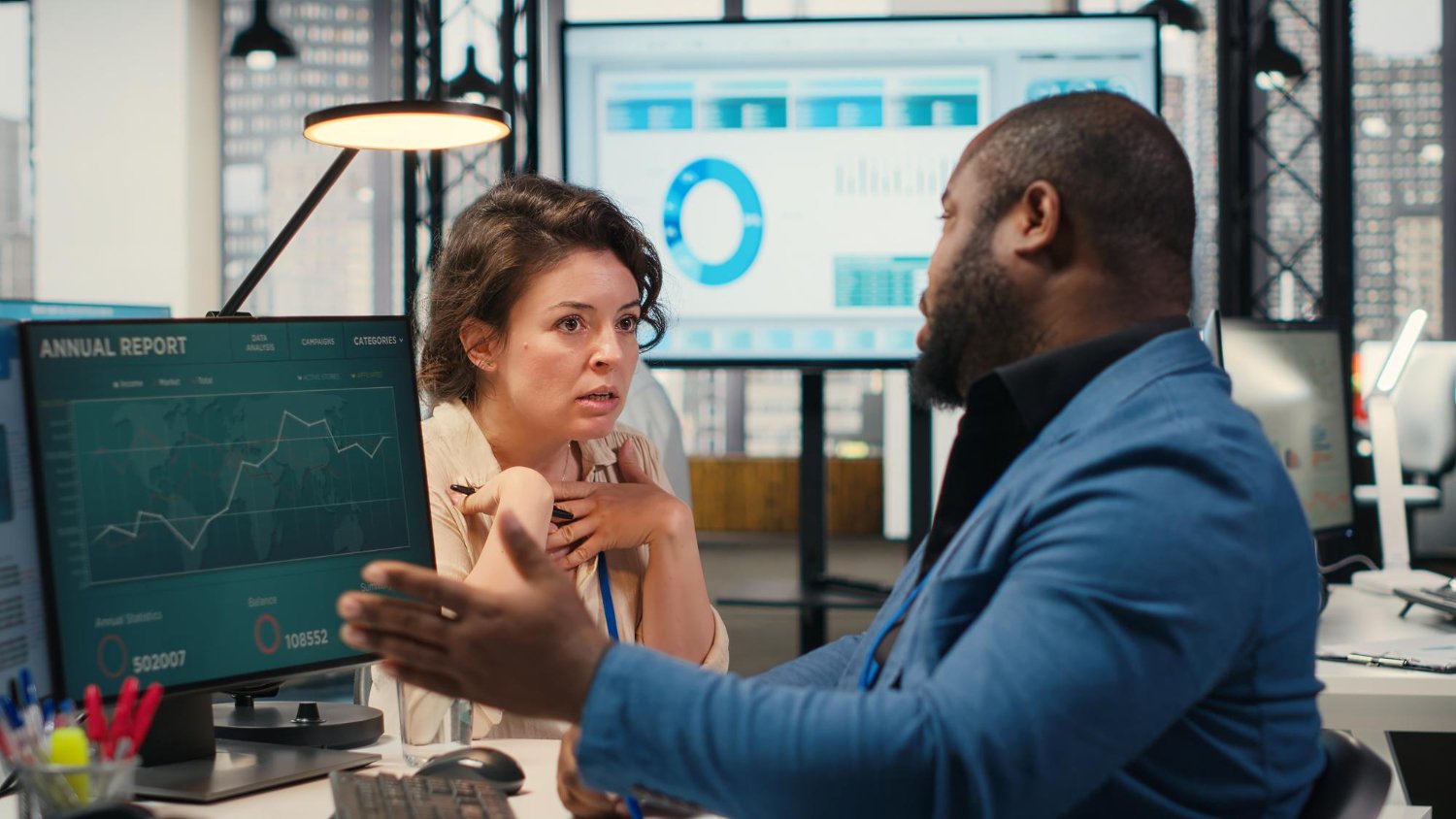
Our brains excel at spotting and filtering promotional content. Users automatically skip past highly polished ads because their brains quickly flag them as advertising. Scientists have studied this psychological response for years, showing how our minds process ads differently from regular content. The effect mirrors how Christmas music in stores sets a shopping mood – slick ads create mental walls between brands and viewers.
Content from creators and regular users works better, with engagement rates 8.7x higher than traditional brand materials in some industries. The numbers make sense because polished content breaks the natural social media experience rather than adding to it.
The old belief about targeted, polished ads has proven wrong – they actually cost more. Meta’s platform saw average CPMs hit $10.88 in Q1 2025, jumping 19.2% from the previous year.
Quick scrolling past polished ads sends negative signals to platforms. This makes Meta:
Advertisers end up stuck paying premium prices for worse results.
Social platforms now use “User Experience Signals” to set ad quality and prices. These hidden metrics track viewing time, scroll depth, bounce rate, and other interaction patterns.
Platforms use these metrics to gage an ad’s real value to users. Good engagement signals lead to better placement and lower costs. Poor performance triggers penalties from algorithms, no matter how professional the ad looks.
Success in paid social now depends on understanding genuine platform engagement rather than production quality.
Paid social media success in 2026 depends on content that looks like organic posts. Users now prefer authentic content over obvious ads.
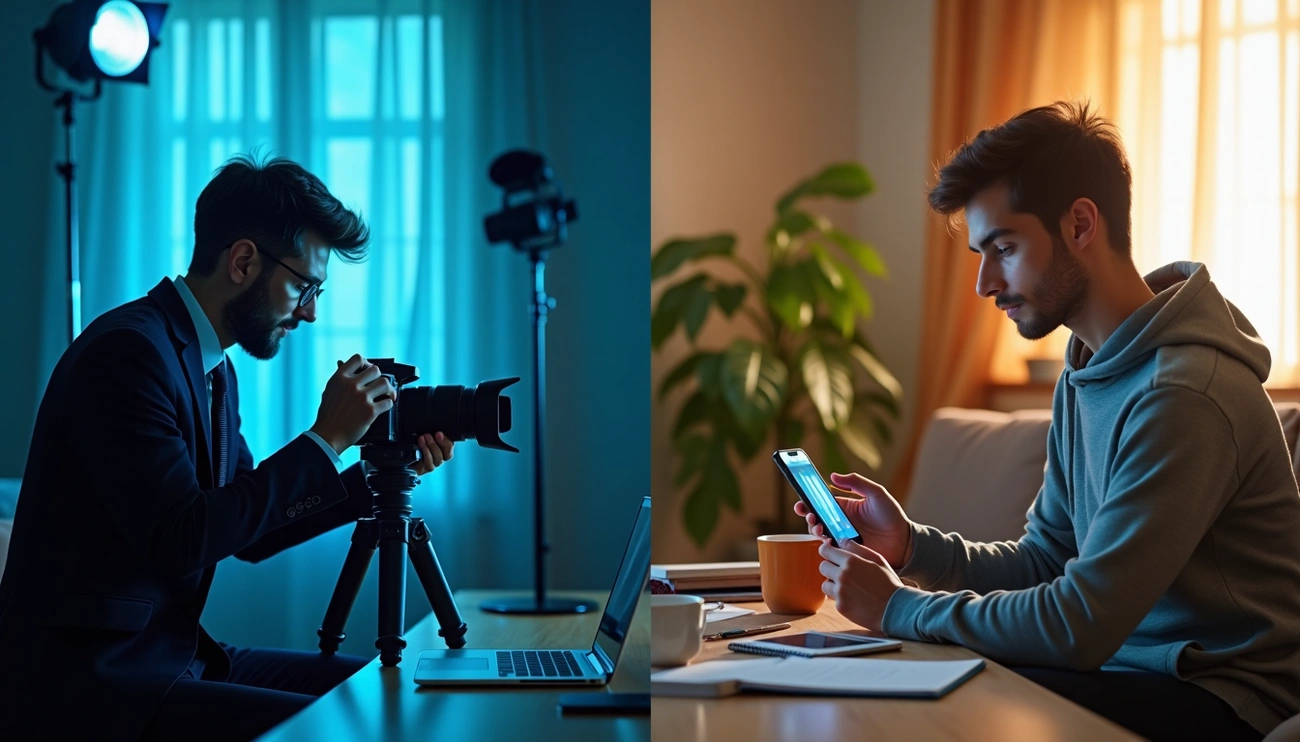
Today’s best ads blend naturally with platform content. Default fonts and conversational copy make posts feel like they’re from friends rather than companies. Vertical video has become essential, with 75% of users preferring this format. Brands with high engagement rates use raw, unpolished footage that looks spontaneous. They often shoot with smartphones instead of professional cameras.
The most successful paid campaigns feature real people in everyday settings. Gymshark’s “Real Results” campaign shows actual customers working out at home. This approach generated 3x more engagement than their studio-shot ads. Airbnb’s “Live There” series lets genuine travelers capture their own experiences. These authentic stories perform better than traditional tourism ads by showing real discoveries instead of just amenities.
Your ads will feel less promotional when you:
The key to paid social media success is simple: think like a creator first and a marketer second.
Your approach to content creation and distribution must adapt to the paid social media landscape of 2026. Platforms now reward authentic content more than ever, and your strategy needs to adjust.
The quickest way to succeed is to use your successful organic content for paid campaigns. Content that does well organically usually produces better results with ad spending. This method helps combine your organic and paid efforts naturally to create what experts call “the best of both worlds”. Start by putting a small budget toward your top-performing weekly or monthly posts. Look beyond likes to track conversions and profile views. Smart brands use organic performance to test their paid strategy.
Creative content drives ad performance more than any other factor. A systematic testing approach is vital. You should have a clear hypothesis about what you want to learn. Test one element at a time and set equal budgets for each version to find winning creative. Meta suggests testing three types of hooks: value-driven hooks, statement-of-intent hooks, and question/invitation hooks.
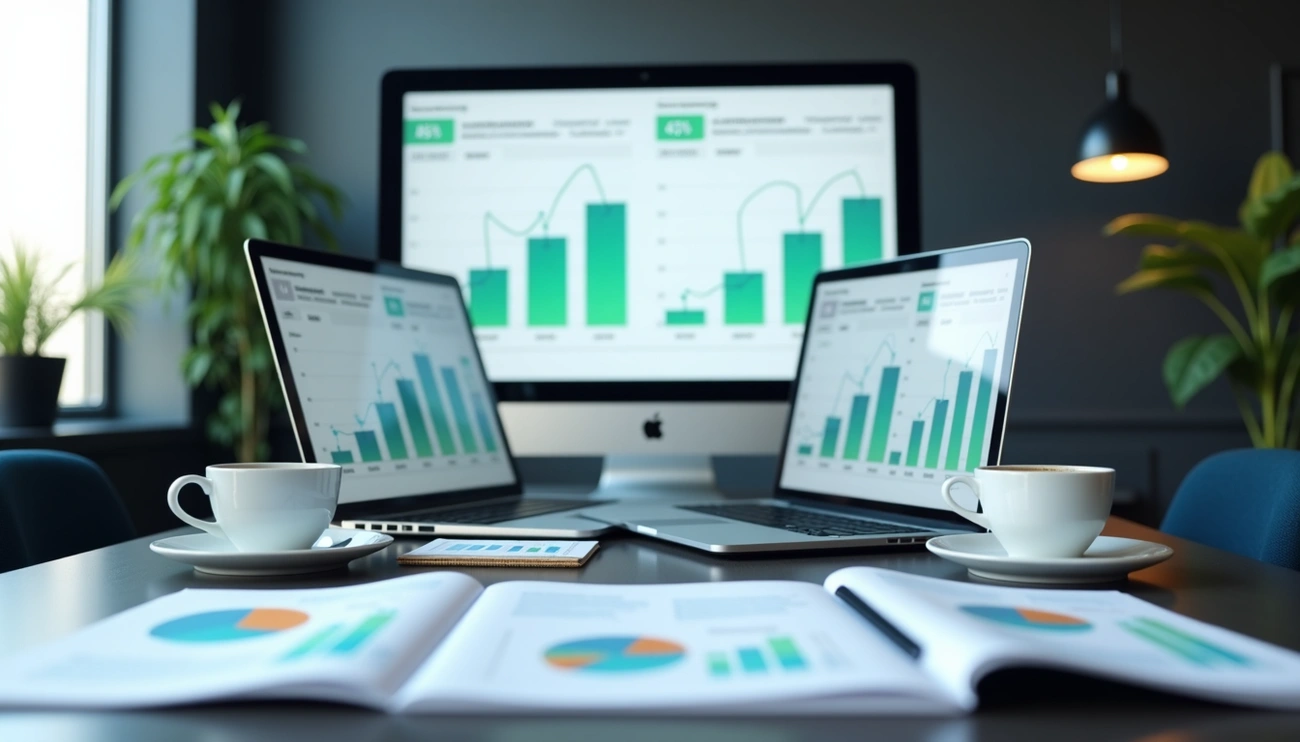
Marketers save about 13 hours each week with social media automation, but automation shouldn’t sound robotic. Tools like Hootsuite help streamline how you craft and schedule both organic and paid content on different platforms. These tools let you compare organic and paid content side by side to understand what works. Make your automated responses sound natural by adding your brand’s personality with friendly, individual-specific language.
Creative libraries have become vital in 2026. Rather than making individual ads, build collections of creative elements – headlines, descriptions, visuals – that work together. Meta’s systems can assess large amounts of content immediately and match the right creative to individual preferences. Building a library takes more work upfront but helps you share content on multiple platforms quickly.
Paid social media isn’t dead in 2026—it has just moved in a new direction. This rise has made authenticity the new currency that matters. People these days just need real connections instead of perfect productions. That’s why organic-style content keeps beating traditional advertising on every platform.
Research shows that too much polish triggers mental blocks in audiences. Brands must adapt or they’ll pay premium rates for less return. Meta and other platforms have made it clear – user experience comes first. Their algorithms actively penalize content that disrupts rather than improves the social feed.
A fundamental change in approach is essential to succeed. Your organic content performance often reveals the best path for paid strategy. You should develop systematic testing for different creative formats and pay attention to hooks that strike a chord with audiences. The right automation tools can streamline these efforts without losing your brand’s unique voice. This works especially well with modular content libraries that enable individual-specific ad matching.
Social media has always connected people with people – that’s its core purpose. The best paid social strategies now accept this truth instead of fighting it. Content that flows naturally with the social experience rather than interrupting it helps discover the full potential of paid social media today.
Brands ready to look less polished but more genuine will own the future. Despite major changes in the digital world, paid social remains powerful. But it only works for those ready to adjust their approach.
 Previous Post
