Most paid social media ads fail before they even launch. The problem isn’t budget size or creative talent. Businesses repeat the same fundamental errors that drain their advertising dollars without producing measurable returns.

Social Media Ads That Actually Work: What Most Businesses Get Wrong in 2026
Published by grace • August 17, 2026
Social media ads are projected to reach $276.7 billion in worldwide spending in 2025, yet most businesses squander their budgets on preventable errors. The chance is massive, especially when you think about that 94% of consumers participate with social platforms at least monthly. But throwing money at paid social media ads without a strategic approach rarely delivers results.
I’ve seen countless social media ads for business fail. They treat every platform the same way or skip essential testing phases. In this piece, we’ll break down the specific mistakes undermining your social media advertising examples and show you proven strategies that convert. You’ll learn how to build social campaign examples that maximize ROI and stimulate measurable growth, from platform-specific creative to precise audience targeting.
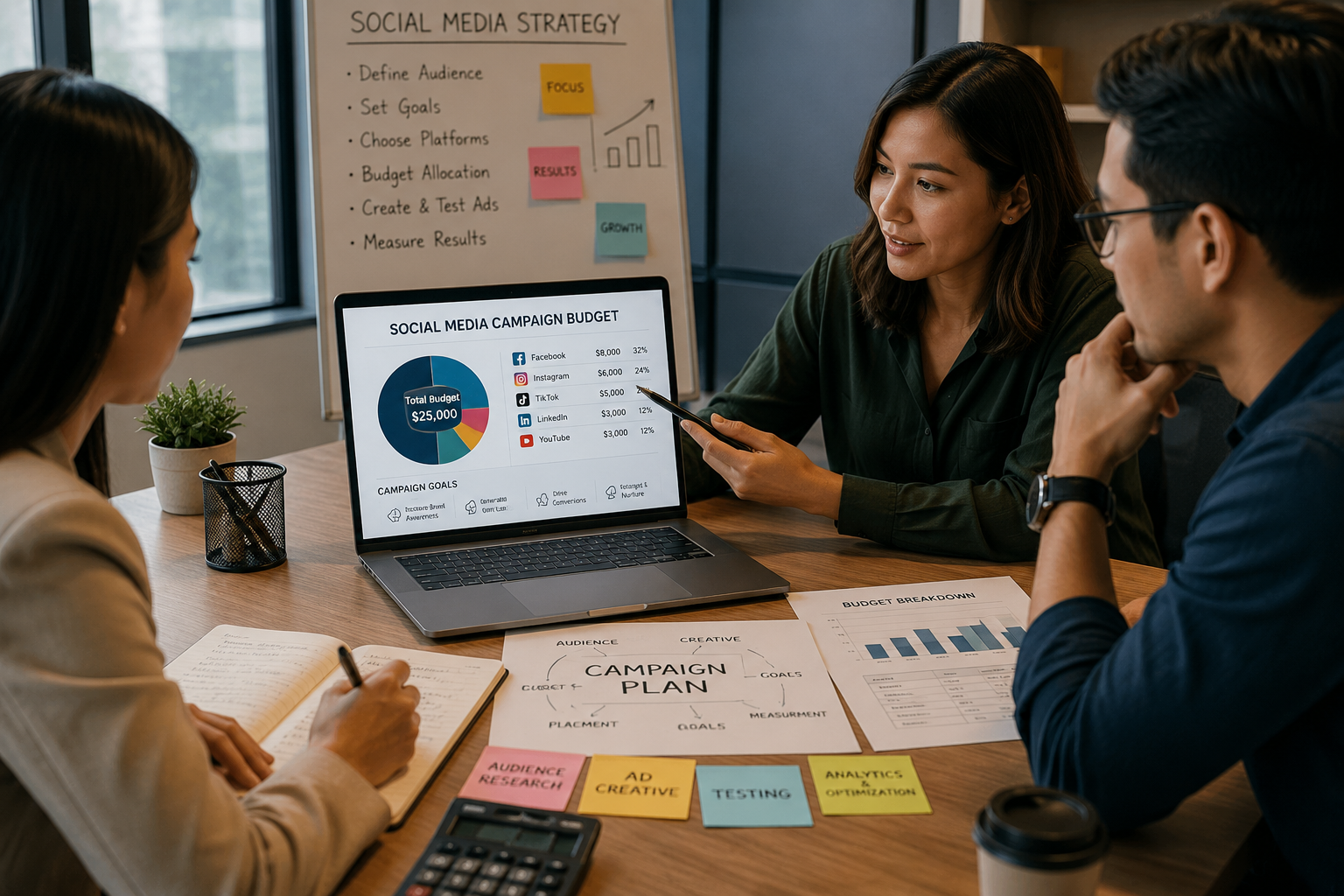
Treating all platforms the same way
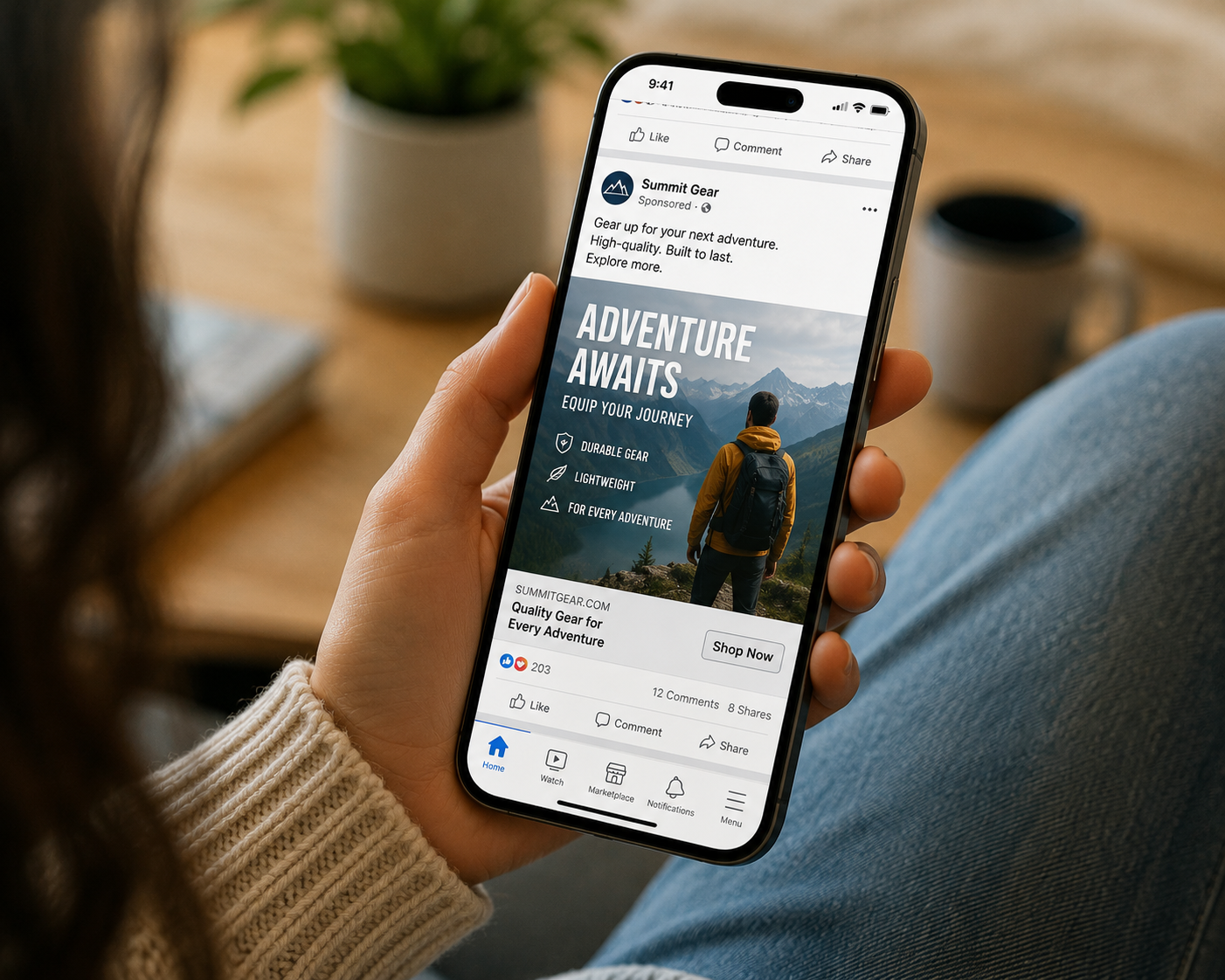
Instagram runs on visually appealing images and short-form videos, while LinkedIn requires more formal, professional messaging. TikTok users expect organic, engaging and authentic content. Running similar creative across every platform ignores the unique behaviors and content priorities that define each network. Facebook posts drive the highest direct engagement and spillover effects to other platforms, while Instagram content sustains longer carryover effects. Treating these platforms the same way wastes the distinct advantages each one offers.
Ignoring organic performance data
Organic content builds trust and authority, while paid campaigns drive reach and conversions. Testing content themes organically first reveals what strikes a chord before you invest ad dollars. A post that gets traction organically becomes the blueprint for paid campaigns. Paid social teams who ignore this free testing ground miss insights that could cut costs and improve targeting precision.
Skipping A/B testing and optimization
A/B testing allows you to compare two variations of the same post and determine which performs better. This analytical approach improves engagement, conversion rates and ROI. Brands that test too many elements at once make results unclear and difficult to interpret. Meta’s algorithms need approximately 50 conversions per week per ad set to optimize. Without systematic testing of single variables, you’re guessing instead of learning what drives results.
Setting vague goals without clear KPIs
A staggering 50% of businesses operate without a formal social media strategy. Clear objectives and KPIs are essential to measure success or optimize campaign performance. Declaring your goal helps set a precedent for which key performance indicators you’ll use to gage performance. Vague goals like “get more followers” provide zero direction for resource allocation or creative decisions.
Poor audience targeting and segmentation
Advertisers waste up to 25% of their budget on irrelevant audiences each year. Campaigns targeting over 20 million people struggle to reach high-purchasing-potential customers before budgets run out. Segmented marketing is 3x more effective at driving conversions than non-segmented campaigns. Audience overlap between campaigns inflates CPMs by 15-35% as your ad sets compete against each other.
Neglecting mobile-first ad design
Over 90% of social media access happens on mobile devices. By 2026, 60-75% of internet traffic will be mobile. Ads that don’t load fast, format well on smaller screens or use vertical video formats fail to capture attention where your audience engages with content.
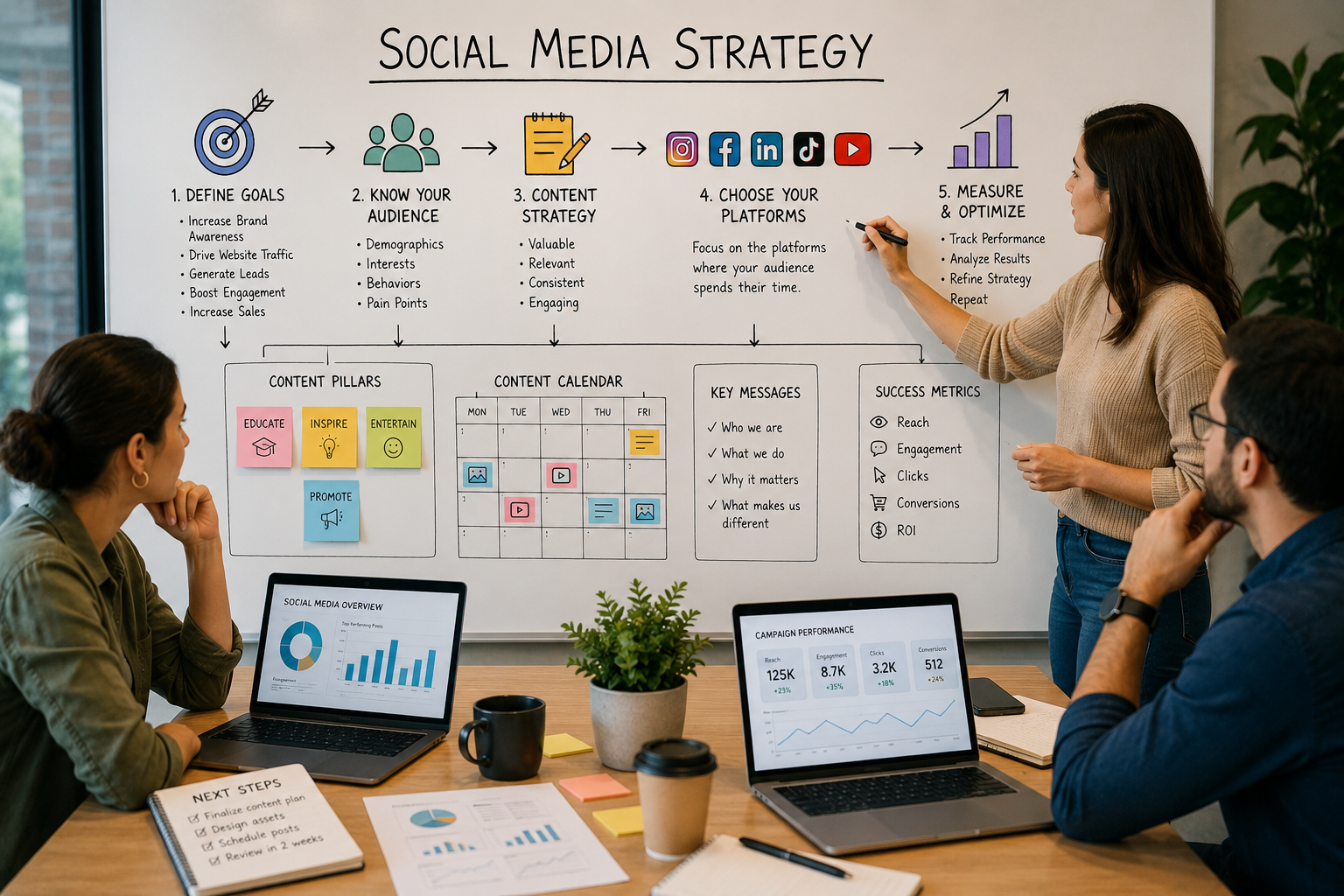
Successful paid social media ads start with strategy, not spending. The businesses getting real returns follow a systematic approach that addresses each fundamental element.

Start with clear business objectives
Every campaign needs specific, measurable goals. Set SMART objectives: Specific, Measurable, Attainable, Relevant, and Time-bound. Aim for “boost Instagram engagement by 15% in the next 60 days” rather than vague goals like “increase engagement”. Your objectives determine which KPIs matter and how you allocate resources.
Define your target audience with precision
Marketing efforts that miss the target audience waste time and money. Go beyond simple demographics. Analyze age, location, income, job roles, and education levels. Then layer in psychographics: interests, values, attitudes, and lifestyles. Use CRM data, website analytics, and social listening tools to build detailed customer personas. Segmented campaigns are 3x more effective at driving conversions.
Choose the right platform for your audience
Platform selection depends on where your audience spends time. Gen Z dominates TikTok and Snapchat. Professionals and B2B buyers concentrate on LinkedIn. Facebook serves users 35 and older with robust segmentation tools. Instagram attracts users who favor visually compelling content. Match your audience demographics to platform strengths and maximize reach.
Create platform-specific ad content
Brands that tailor content to specific platforms see a 43% increase in engagement and conversions. Platform-specific content strategies deliver 27% higher ad performance compared to generic campaigns. Instagram requires vertical formats and 60-second limits. Twitter allows 2 minutes and 20 seconds. Each platform has distinct audience expectations and technical requirements that call for customized creative.
Use data to inform your creative decisions
Campaigns rooted in evidence-based insights perform 1.5X better in ad recall and 1.3X better in message association. Analyze which posts drive the most engagement, what topics spark conversations, and which content types perform best. Use audience data and previous campaign results to inform creative development. Test variations continuously and refine what strikes a chord with your specific audience.
Real campaign results reveal which social media advertising examples move the needle. These proven formats combine strategic thinking with platform-specific execution.

Video ads that match platform behavior
Short-form video drives 71% ROI for video marketers. Video ad campaigns see click-through rates more than 3x higher than campaigns without video. The format matters: vertical 9:16 for Stories and Reels, landscape 16:9 for YouTube, square 1:1 for feed placements. Over 75% of mobile video plays with sound off. Captions become critical. Gymshark’s Onyx V5 collection video worked on Instagram Reels, TikTok, and YouTube Shorts by matching each platform’s native style.
User-generated content campaigns
UGC-based ads deliver 4x higher click-through rates than traditional ads. Coca-Cola’s #ShareACoke generated over 1.5 million pieces of user content. ASOS’s #AsSeenOnMe reached 1 million uses and turned customers into models at minimal cost. GoPro’s top three user-submitted videos accumulated over 420 million combined views.
Influencer partnerships done right
Brands earn $5.78 for every dollar spent on influencer marketing. Yamazaki Home tripled influencer-driven revenue in 18 months. They shifted to performance-based compensation and focused on creators who drove sales. Long-term partnerships build authenticity that converts better than one-off posts.
Retargeting campaigns that convert
Retargeting connects with shoppers who visited your site and reintroduces products based on browsing behavior. La Redoute converted 10% more customers and tripled conversion rates using dynamic retargeting. Segment audiences by behavior: cold prospects who visited homepages, warm prospects on category pages, hot prospects viewing products. Dynamic product ads show exact browsed items and accelerate purchase decisions.
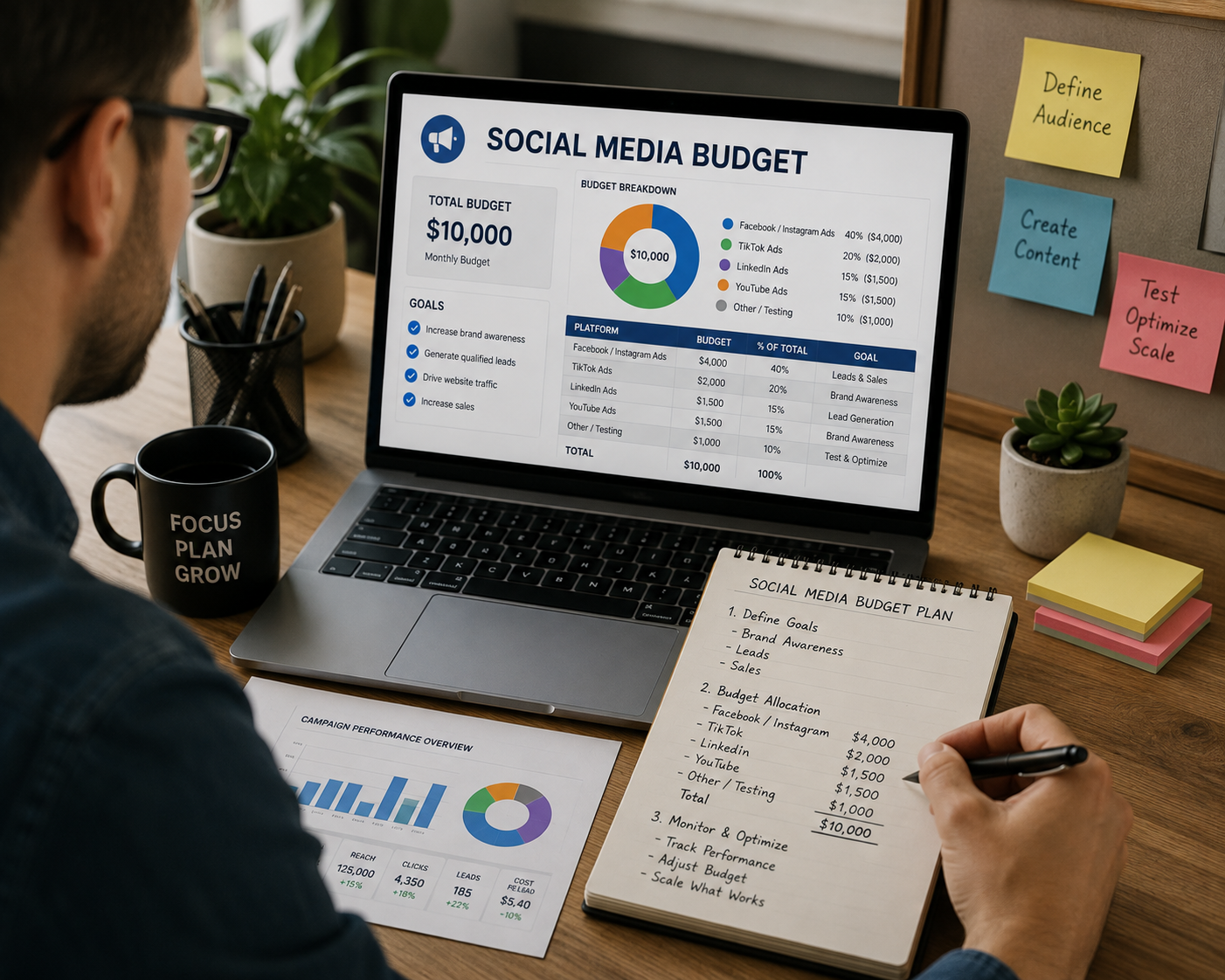
Your social media ads budget needs more precision than guesswork. Most businesses devote 10% to 25% of their total marketing budget to social media, with social now accounting for 14% of marketing budgets on average.

Setting realistic budgets based on your goals
Your budget should match your objectives. For conversions, invest more in paid lead-generating campaigns. Start small if you’re new to paid social media ads and test different platforms and targeting options before scaling. Most businesses spend $500 to $25,000+ monthly depending on company size.
Social media ads pricing by platform
Minimum daily spend varies by a lot. Facebook and Instagram just need $1 per day, though Meta recommends $5. LinkedIn demands $10 daily, while TikTok requires $20 for ad groups and $50 for campaigns. Average Facebook CPC hovers around $0.60. Instagram ranges $0.01-$3.56, and LinkedIn costs $2-$5.26 per click.
Key metrics to track for success
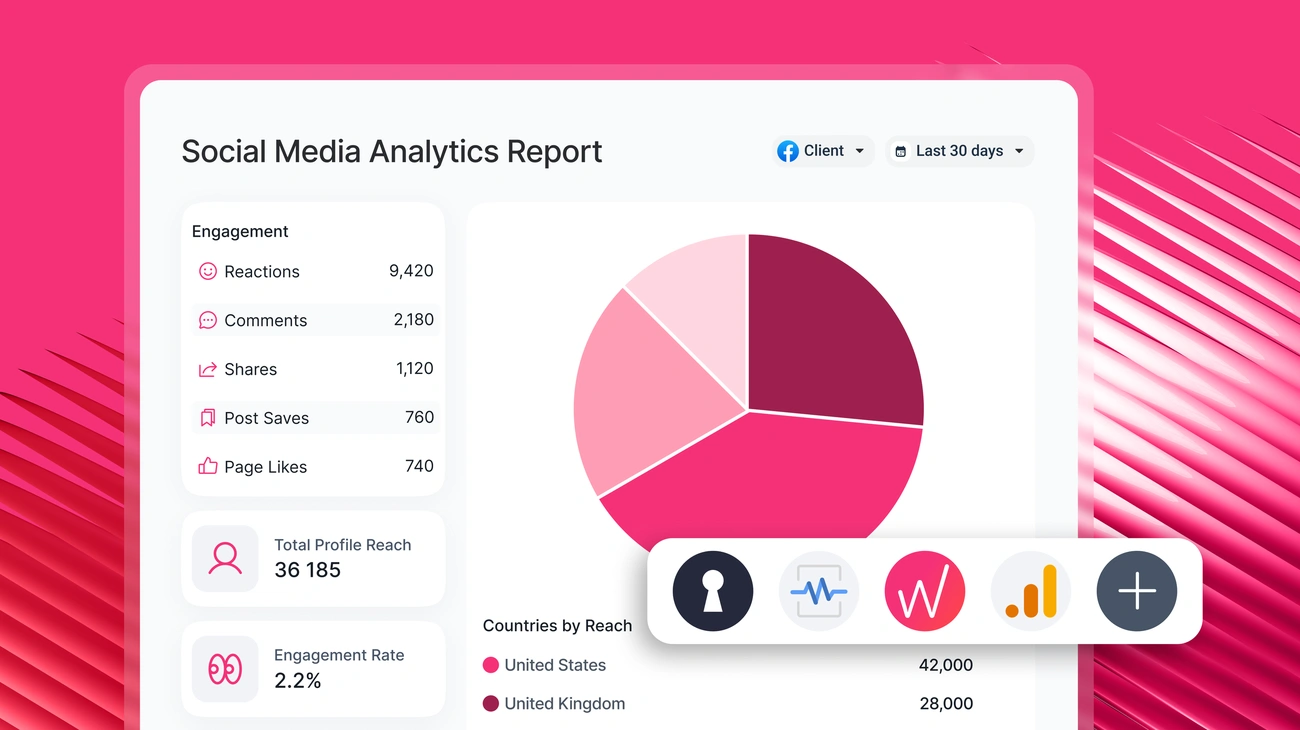
Track conversion rate, cost per click, and return on ad spend for sales campaigns. Customer acquisition cost reveals how much you spend to gain each new customer. Click-through rate indicates whether ads reach the right audience at the right price.
Better ROI through optimized ad spend
Calculate social ROI by inputting impressions, reach, and engagement against total costs. A 5:1 revenue-to-ad-spend ratio is typical for most businesses. Run A/B tests before scaling spend on winners.
Social media advertising works when you fix the fundamentals. Don’t treat every platform similarly. Test systematically and build campaigns around data instead of guesswork. Businesses that waste ad budgets skip audience segmentation and mobile optimization. You now have the framework to create platform-specific content and set measurable goals. Track the metrics that matter. You’ll see better returns without increasing your spend if you use these strategies.